The short answer
The hormone injections used in IVF are given for a short time and are not expected to cause lasting fat gain. During treatment many women notice a kilo or two on the scales, a tighter waistband and a feeling of fullness in the abdomen. Most of this is fluid and bloating; if pregnancy does not occur it usually settles with the period, typically within a few days to a few weeks.
Why do bloating and the rise on the scales happen?
- Enlarged ovaries: in a natural cycle one follicle grows, whereas in IVF many follicles grow together. The ovaries can temporarily reach several times their normal size, causing a sense of fullness and pressure.
- High oestrogen and fluid retention: the growing follicles produce large amounts of oestrogen, which increases water and salt retention; breast tenderness and mild swelling of the fingers and ankles may occur.
- Progesterone: progesterone support started after egg collection slows bowel movements, increasing wind, constipation and bloating.
- Changes in appetite and activity: hormonal changes can affect appetite, and stress, tiredness and cutting back on exercise can also show on the scales.
How can real weight gain be told apart from fluid retention?
An increase in body fat develops slowly over weeks to months, when energy intake exceeds energy use. The change seen during IVF appears within days, is concentrated around the abdomen and usually eases once treatment ends. Swelling that varies from morning to evening, tight rings and a tight waistband point to fluid and bowel gas rather than fat.
If pregnancy occurs, progesterone support continues for a while and the natural weight gain of pregnancy begins; weight monitoring is then planned according to pre-pregnancy body mass index.
Watch out for signs of OHSS
Ovarian hyperstimulation syndrome (OHSS) occurs when the ovaries over-respond to the drugs and fluid leaks from blood vessels into the abdomen. The mild form is common and can be monitored at home; the severe form is rare but can be serious. Symptoms usually appear in the week after egg collection, or somewhat later if pregnancy occurs. Women with polycystic ovary syndrome, a high AMH level, younger women and those who develop many follicles are at higher risk.
Contact your clinic without delay if you have any of the following:
- Rapid weight gain over a short time (for example about 1.5 kg or more within two days)
- A marked, rapid increase in waist size, a tense abdomen or severe abdominal pain
- Clearly reduced or dark urine
- Nausea and vomiting, being unable to keep fluids down
- Shortness of breath, especially when lying down
- One-sided leg swelling, pain or redness; dizziness or feeling faint
Today, suitable stimulation protocols, dose adjustment and, when needed, freezing all embryos and postponing transfer to a later cycle can considerably reduce the risk of severe OHSS.
Practical tips to ease bloating during treatment
- Drink enough fluids: spread water through the day rather than waiting until you are thirsty; restricting fluids does not reduce bloating. Follow your doctor's advice if a different amount has been suggested.
- Cut down on salt: ready meals, pickles, crisps, processed meats and brined cheeses increase fluid retention.
- Keep up your protein: include eggs, dairy, meat, chicken, fish and pulses in your meals.
- Fibre and small, frequent meals: vegetables, fruit and whole grains help with constipation; small, frequent meals ease fullness.
- Limit gassy foods: fizzy drinks, chewing gum and foods you notice make you bloated.
- Gentle movement: easy walking helps the bowels; avoid running, jumping and strenuous exercise during this time.
- Comfortable clothes: clothing that does not squeeze the waist reduces discomfort.
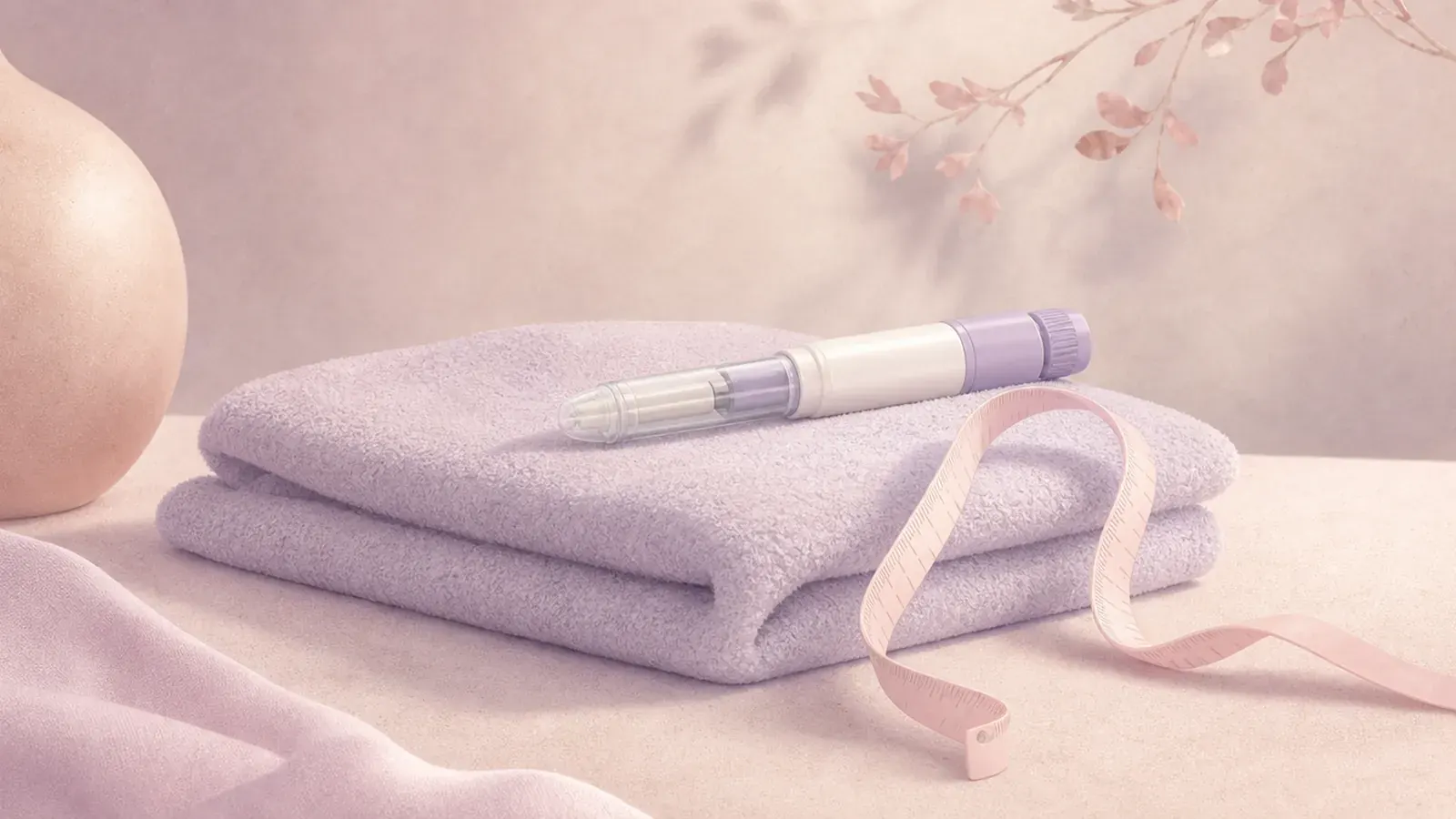
- Monitoring: if you have been told you are at risk of OHSS, you may be asked to weigh yourself at the same time each morning, measure your waist and keep an eye on how much urine you pass.
Should I diet during treatment?
Going hungry or following a strict diet during an IVF cycle is not recommended; balanced, regular meals are enough. On the other hand, in women with a high body mass index, losing weight before treatment can improve both the response to treatment and the course of pregnancy, so weight goals are best discussed with your doctor before treatment starts.
Frequently Asked Questions
Do IVF injections cause permanent weight gain?
When does the bloating go away?
How much weight gain during treatment is normal?
Should I drink less water to reduce bloating?
Can I diet during treatment?
Who is at higher risk of OHSS?
Sources
The information on this website is for general information only and does not replace a medical consultation.