
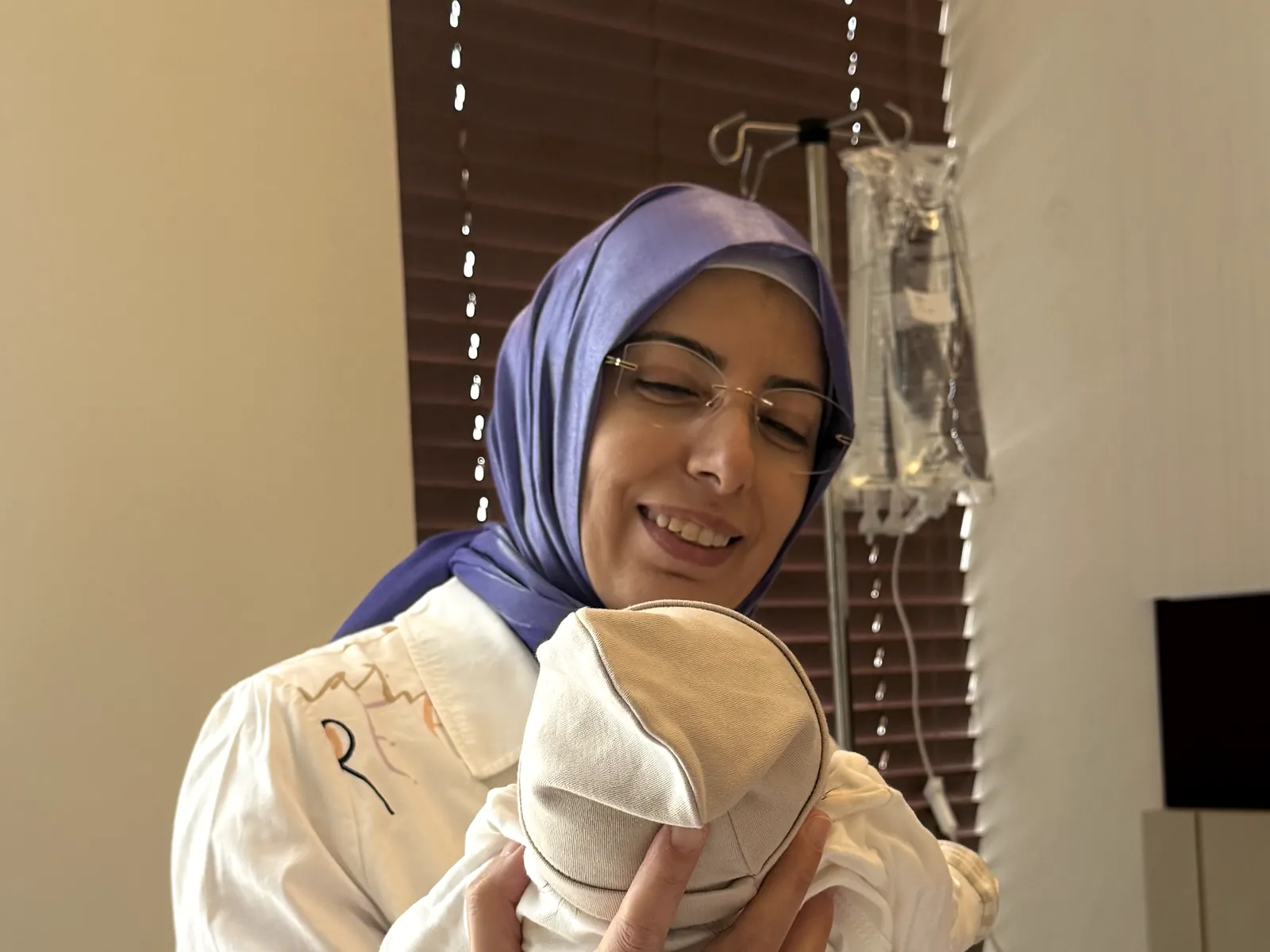
How does pregnancy affect oral health?
Higher oestrogen and progesterone levels in pregnancy increase blood flow to the gums and exaggerate their response to plaque. Together with acid from nausea and vomiting, more frequent snacking and sugar cravings, and brushing being harder because of nausea, this raises the risk of gum disease and tooth decay.
For this reason, oral care should not be postponed in pregnancy. Women planning a pregnancy are advised to complete dental treatment beforehand if possible, and to continue regular dental check-ups during pregnancy.
Pregnancy gingivitis
Pregnancy gingivitis affects many pregnant women and causes red, swollen gums that bleed easily when brushing. It usually starts from the second month and may become more noticeable in the third trimester.
- It can be controlled with regular, correct brushing, flossing and professional cleaning.
- Do not stop brushing if your gums bleed; keep brushing gently with a soft brush.
- Untreated gingivitis can progress to periodontitis, which affects the bone and tissues supporting the teeth.
Pregnancy epulis (pyogenic granuloma)
A pregnancy epulis is a red, easily bleeding, benign swelling on the gum, usually between the teeth, thought to result from plaque combined with hormonal changes. Most shrink or disappear after birth. It can be removed by your dentist if it bleeds often, interferes with chewing or does not regress after birth.
Gum disease and pregnancy outcomes
Some observational studies have found an association between periodontal disease and preterm birth, low birth weight and pre-eclampsia. An association does not mean that gum disease directly causes these problems.
Periodontal treatment in pregnancy has been shown to be safe and to improve oral health. However, randomised trials have not shown that treating gum disease in pregnancy prevents preterm birth. Treatment is therefore recommended for the mother's oral and general health, not as a way to prevent preterm birth.
Is dental treatment safe in pregnancy?
Yes. ACOG, the ADA and the CDC state that preventive, diagnostic and restorative dental care, including check-ups, cleaning, fillings, root canal treatment and necessary extractions, can be safely provided at any stage of pregnancy. Delaying treatment, especially when there is infection, can pose a greater risk to mother and baby.
First trimester (weeks 1-13)
Check-ups, cleaning and urgent treatment can be done. Nausea may make long procedures difficult, so extensive planned work that can wait is often scheduled for the second trimester.
Second trimester (weeks 14-27)
With less nausea and a smaller bump, this period is usually more comfortable for planned procedures such as fillings and root canal treatment.
Third trimester (from week 28)
Treatment can be done. Lying flat on your back for long can cause dizziness and low blood pressure as the uterus presses on a large vein. A slight left tilt in the chair, short appointments and frequent position changes help.
Emergencies such as a dental abscess, severe pain or facial swelling should never be postponed. Non-essential cosmetic procedures such as tooth whitening are best left until after birth.
Local anaesthesia
Dental local anaesthetics, such as lidocaine with adrenaline (epinephrine), can be used safely in pregnancy. Good pain control also reduces stress and related blood pressure changes. Nitrous oxide (laughing gas) is best avoided in pregnancy.
Dental X-rays
Dental X-rays use a very low radiation dose directed at the mouth. When needed for diagnosis and treatment, they can be taken at any stage of pregnancy, with protective measures such as a lead apron and thyroid collar. Unnecessary repeat X-rays are avoided; always tell your dentist that you are pregnant.
Medicines: painkillers and antibiotics
Painkillers
- Paracetamol is the preferred painkiller in pregnancy, used at the lowest effective dose for the shortest time.
- Non-steroidal anti-inflammatory drugs (NSAIDs) such as ibuprofen, naproxen and diclofenac should be avoided after 20 weeks. They can affect the baby's kidneys and reduce amniotic fluid, and in the third trimester can cause early closure of a blood vessel in the baby's heart (ductus arteriosus). In the first half of pregnancy they should only be used briefly on medical advice.
- Strong opioid painkillers are used only when necessary, briefly and under medical supervision.
Antibiotics
- Antibiotics such as penicillin, amoxicillin, cephalosporins and clindamycin can be used in pregnancy when needed.
- Tetracyclines (including doxycycline) are not used in pregnancy because of permanent tooth discoloration and possible effects on bone development in the baby.
- Chlorhexidine mouthwash recommended by your dentist can be used for short periods.
Do not start any painkiller or antibiotic on your own; your dentist and obstetrician should assess this together.
Fillings
Removing intact amalgam fillings is not recommended in pregnancy, as removal can briefly release mercury vapour. Your dentist will decide which material to use for any new fillings.
Nausea, vomiting and protecting tooth enamel
Stomach acid softens tooth enamel, so brushing straight after vomiting can wear away the softened enamel.
- After vomiting, rinse with water or a solution of one teaspoon of baking soda in a cup of water.
- Wait 30 minutes to an hour before brushing.
- Use fluoride toothpaste; if brushing triggers nausea, try a small-headed brush and a mild-flavoured toothpaste.
- Limit acidic and sugary drinks and drink water during the day.
Daily oral care
- Brush twice a day for two minutes with fluoride toothpaste.
- Clean between your teeth daily with floss or interdental brushes.
- Limit sugary snacks; choose fruit, yoghurt or cheese between meals.
- See a dentist at least once during pregnancy and tell them you are pregnant.
Working together: obstetrician and dentist
Tell your dentist your stage of pregnancy, your medicines and any special conditions. For pre-eclampsia, blood thinners, heart disease, gestational diabetes or bleeding problems, your dentist and obstetrician can plan care together, and your obstetrician can provide written information if needed.
When not to wait
- Severe or throbbing toothache
- Swelling of the face, jaw or gums
- Fever, difficulty swallowing or opening the mouth
- Gum bleeding that does not stop
Your baby's oral health
Decay-causing bacteria can pass from mother to baby through saliva. Looking after your oral health in pregnancy, and after birth not sharing spoons or cleaning dummies in your mouth, supports your baby's future dental health.
Frequently Asked Questions
Can I have a tooth extracted in pregnancy?
Can dental X-rays harm my baby?
Is the dentist's numbing injection safe?
Which painkiller can I take for toothache?
My gums bleed when I brush. Is this normal?
Can I have teeth whitening in pregnancy?
Sources
- ACOG Committee Opinion No. 569: Oral Health Care During Pregnancy and Through the Lifespan. Obstet Gynecol, 2013 (reaffirmed).
- American Dental Association. Oral Health Topics: Pregnancy.
- Centers for Disease Control and Prevention. Dental Care Is Safe and Important During Pregnancy, 2024.
- Iheozor-Ejiofor Z, et al. Treating periodontal disease for preventing adverse birth outcomes in pregnant women. Cochrane Database of Systematic Reviews, 2017.
- U.S. Food and Drug Administration. FDA recommends avoiding use of NSAIDs in pregnancy at 20 weeks or later because they can result in low amniotic fluid, 2020.
The information on this website is for general information only and does not replace a medical consultation.