
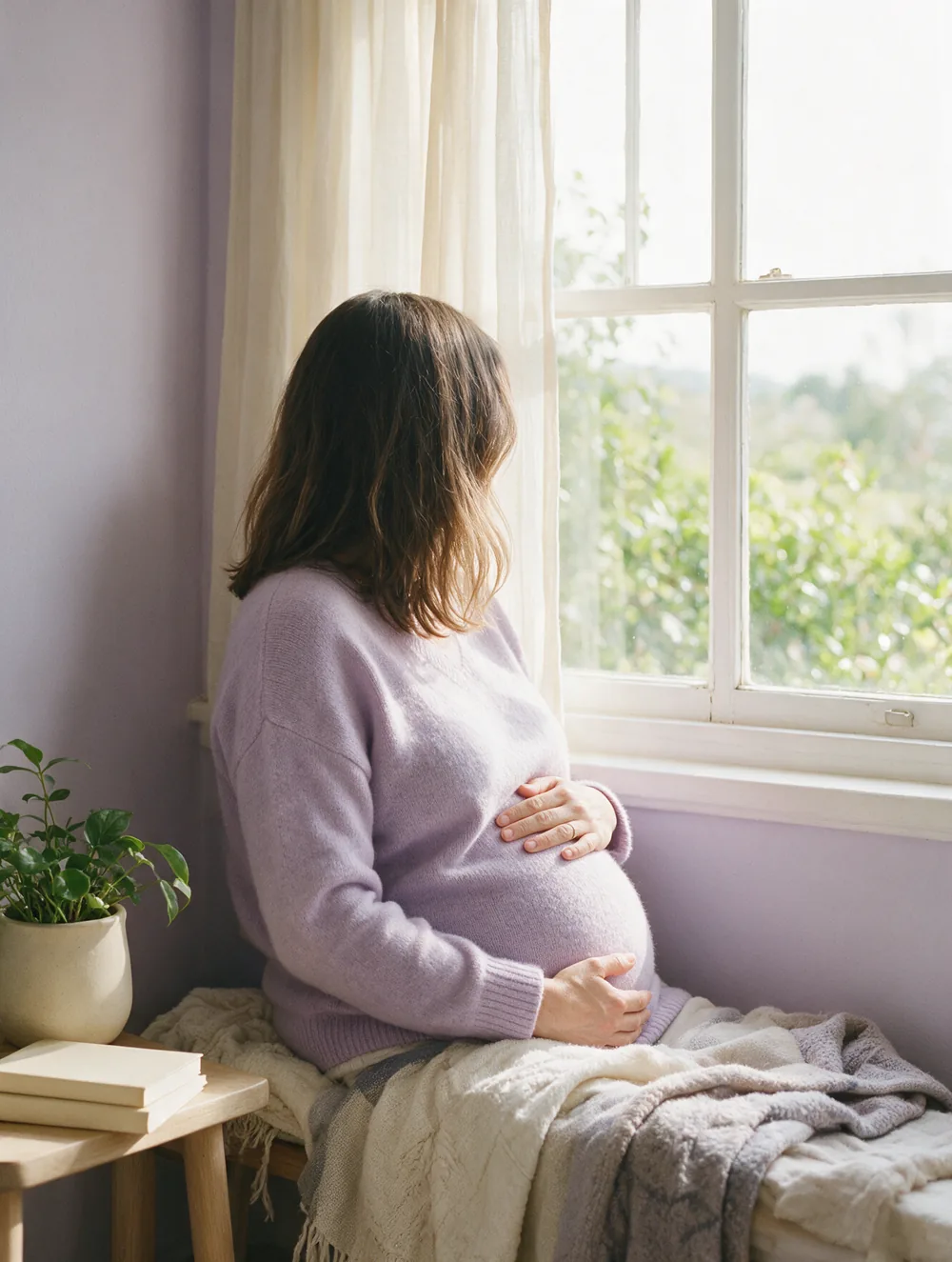
What happens in the body?
- Lochia: may be heavier than a period at first, then becomes a lighter discharge and stops within 4-6 weeks.
- Afterpains: cramps, especially while breastfeeding, help the uterus shrink.
- Wound healing: episiotomy or tear stitches and a caesarean wound usually heal in 2-6 weeks.
- Breasts: milk usually comes in on days 2-4; frequent feeding supports supply.
Postnatal check-ups
An examination is recommended in the first week and at six weeks, covering wound healing, the uterus, bleeding, blood pressure, breastfeeding, mood and contraception. Women who had diabetes or high blood pressure in pregnancy need extra tests.
Breastfeeding
Exclusive breastfeeding for six months, then continued breastfeeding with complementary foods, is recommended. It protects the baby from infections, helps the uterus recover and lowers the mother's future risk of breast and ovarian cancer and type 2 diabetes.
Mental health after birth
Mood swings in the first two weeks ("baby blues") are common and pass on their own. Low mood, anxiety, sleep problems or lack of interest in the baby lasting beyond two weeks need assessment for postnatal depression, which is treatable.
Contraception
Breastfeeding alone is not reliable contraception. Suitable options for breastfeeding mothers (IUD, progestogen-only pill or implant) are planned at the postnatal check. Implant use while breastfeeding was studied in research co-authored by Prof. Dr. İkbal Kaygusuz.
Seek care immediately for
- Soaking a pad within an hour or passing large clots
- Fever over 38 °C or foul-smelling discharge
- A painful swollen leg, chest pain or breathlessness
- Severe headache or visual disturbance
- Thoughts of harming yourself or the baby
Frequently Asked Questions
When can we have sex after birth?
When can I drive after a caesarean?
Sources
- World Health Organization. WHO recommendations on maternal and newborn care for a positive postnatal experience, 2022.
- Etonogestrel contraceptive implant (Implanon): analysis of patient compliance and adverse effects in the breastfeeding period. Journal of the Turkish German Gynecological Association, 2010.
The information on this website is for general information only and does not replace a medical consultation.