
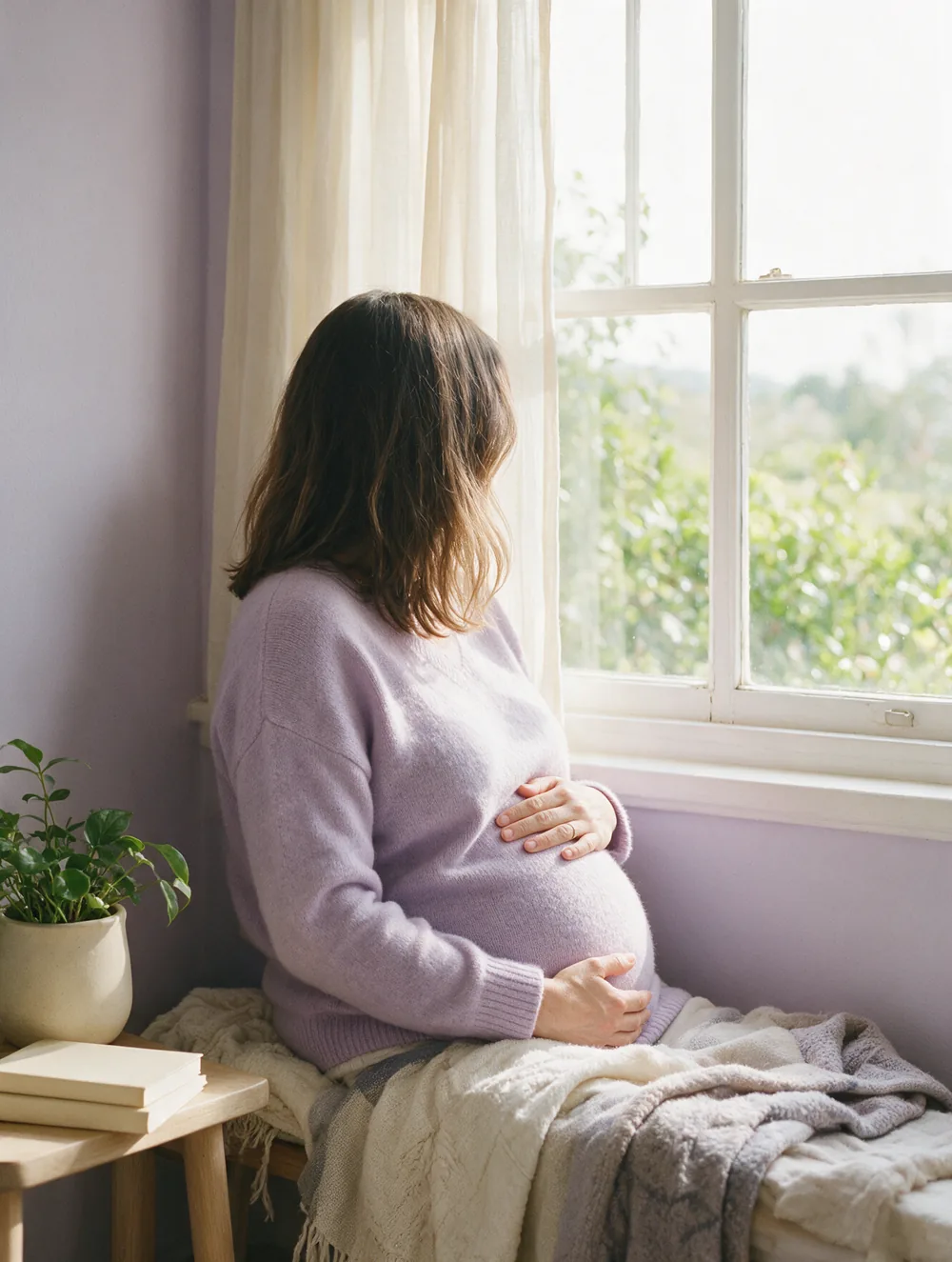
Preparing for birth
Birth planning is discussed in the third trimester. The baby's position and estimated weight, the placenta's location, the mother's health and previous births are assessed. The mode of birth, pain relief options and when to come to hospital are agreed in advance. Antenatal classes and breathing and relaxation techniques help with preparation.
Signs of labour
- Regular contractions getting closer and stronger (in a first birth, usually every 5 minutes for an hour)
- Waters breaking
- A bloody mucus show
Come to hospital if your waters break, you bleed or the baby moves less, even without contractions.
Vaginal birth
Labour has three stages: full dilation of the cervix, birth of the baby and delivery of the placenta. The baby's heartbeat is monitored throughout. Epidural analgesia is the most effective pain relief; breathing techniques, movement, warmth and music are supportive non-drug methods.
Randomised controlled trials co-authored by Prof. Dr. İkbal Kaygusuz showed positive effects of listening to music during labour on labour pain, anxiety and postpartum analgesic needs.
Caesarean section
The baby is born through an incision in the abdomen and uterus, usually under spinal or epidural anaesthesia, so the mother is awake and can see her baby immediately. Main reasons:
- Breech or transverse presentation
- Placenta praevia
- Failure to progress
- Fetal distress
- More than one previous caesarean or certain uterine surgery
- Some multiple pregnancies
Good pain control after a caesarean speeds recovery. The effect of bupivacaine-soaked gelatin sponges in the wound on postoperative pain and analgesic needs was studied in research co-authored by Prof. Dr. İkbal Kaygusuz.
Vaginal birth after caesarean (VBAC)
Women with one previous caesarean who meet certain criteria can try for a vaginal birth next time. The decision depends on the reason for the previous caesarean, the type of incision and the current pregnancy.
Where births take place
Birth is recommended in a hospital with access to anaesthesia and neonatal intensive care; births take place at a partner hospital. Having the physician who followed the pregnancy also attend the birth carries the trust and knowledge built during pregnancy into the delivery room.
Births and surgeries are performed at Anlaşmalı Hastane. Examination, planning and follow-up take place at the clinic.
Frequently Asked Questions
Is vaginal birth or caesarean better?
Does an epidural harm the baby?
Does the same physician attend the birth?
Sources
- NICE Guideline NG235: Intrapartum care, 2023.
- NICE Guideline NG192: Caesarean birth, 2021.
- Effect of music on labor pain relief, anxiety level and postpartum analgesic requirement: a randomized controlled clinical trial. Gynecologic and Obstetric Investigation, 2014.
- Effect of music therapy during vaginal delivery on postpartum pain relief and mental health. Journal of Affective Disorders, 2014.
- Bupivacaine-soaked absorbable gelatin sponges in caesarean section wounds: effect on postoperative pain, analgesic requirement and haemodynamic profile. International Journal of Obstetric Anesthesia, 2014.
The information on this website is for general information only and does not replace a medical consultation.